Flexographic vs. Letterpress: The Engineering Secret Behind Modern High-Speed Flexo Printer Slotters
Discover why flexography commands over 95% of developed packaging markets, and how advanced anilox inking technology eliminates flute crushing.
The Evolution of Corrugated Packaging Machinery: Why Flexo Dominates
While flexographic printing shares basic geometric similarities with traditional letterpress—both utilizing raised relief image areas—the plate physics, fluid ink formulations, and mechanical inking dynamics are fundamentally distinct. In highly matured manufacturing hubs like Japan, flexography commands over 95% market share for corrugated board decoration.
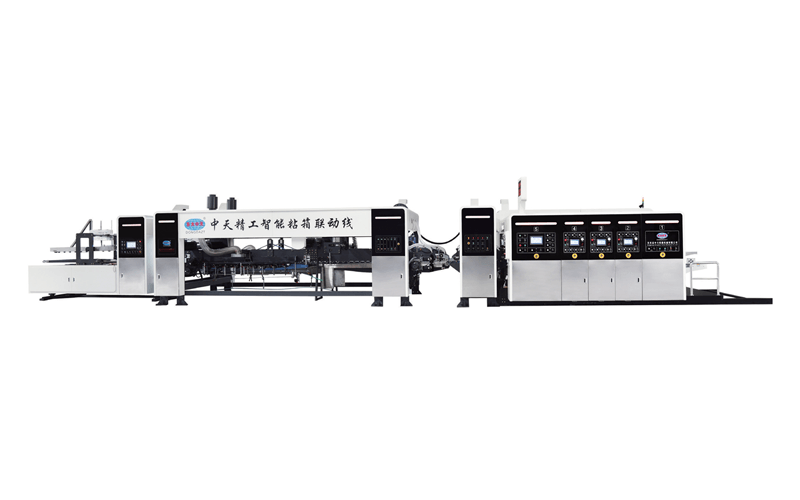
The catalyst for this global shift is the integration of multi-functional inline Corrugated Box Making Machine systems. Modern configurations merge multi-color printing, vertical creasing, high-speed slotting, and corner-cutting into a single automated asset.
Three Structural Advantages: Flexo vs. Rigid Letterpress
1. Elasto-Polymer Plates Eliminate Board Crushing
Traditional letterpress utilizes rigid metal (zinc/aluminum) or hard plastic plates that require extreme impression pressures, often crushing the internal flutes of corrugated board and destroying box structural integrity. In contrast, a modern High-Speed Flexo Printer utilizes highly flexible photopolymer or rubber plates. This low-pressure "kiss" impression delivers pristine graphics even on coarse, recycled linerboards without reducing the box's vertical compression strength.
2. High-Volatility Eco-Inks for Blazing Output
Flexo ink formulations (primarily water-based or alcohol-based) are highly volatile, enabling instant flash-drying. This allows converted sheets to run through high-speed folders, slotters, and downstream finishers at 250+ sheets per minute without marking or ink smearing.
3. Ultra-Compact, Low-Evaporation Inking Loops
Old-fashioned letterpress relies on a massive train of multiple ink-distribution rollers. On a high-speed line, volatile inks would partially dry and solidify on the rollers before ever reaching the plate. Flexographic Corrugated Carton Machinery solves this with an ultra-compact two-roller or chambered doctor blade configuration, drastically reducing air contact.
The Engineering Anatomy of Flexo Inking Systems
To achieve exceptional color consistency, modern flexo systems have evolved across three historical milestones:
The Early Fabric-Wrapped Roller: An antiquated approach featuring cloth material covering the ink-transfer rolls. It lacked microscopic ink film consistency and is entirely obsolete on high-speed industrial floors.
The Chambered Doctor Blade Framework: Utilizes a specialized scraper blade pressurized against an ink roll to precisely shear off excess volume, serving as an exceptional fluid metering control method.
The Precision Anilox Roller System (The Modern Standard): A specialized steel or ceramic roller engraved with millions of microscopic cells (typically pyramidal, quadrangular, or elongated geometries at densities of 40 to 80+ lines/cm and depths around 30µm). These precision micro-cells shield the ink formulation from ambient air, preventing vaporization and misting while ensuring a uniform, dense layer transfers to the flexible plate. Rough liners utilize coarser, lower-density cells for high ink volume transfer, while premium retail boxes utilize fine, high-density cells.
Selecting Your Automated Converting Matrix
To unlock the full graphical performance of advanced flexo inking without sacrificing production agility, pairing your workshop with the proper Corrugated Packaging Machinery asset is paramount:
• High-Tier Premium Lines: Automated Lead Edge Printer Configurations
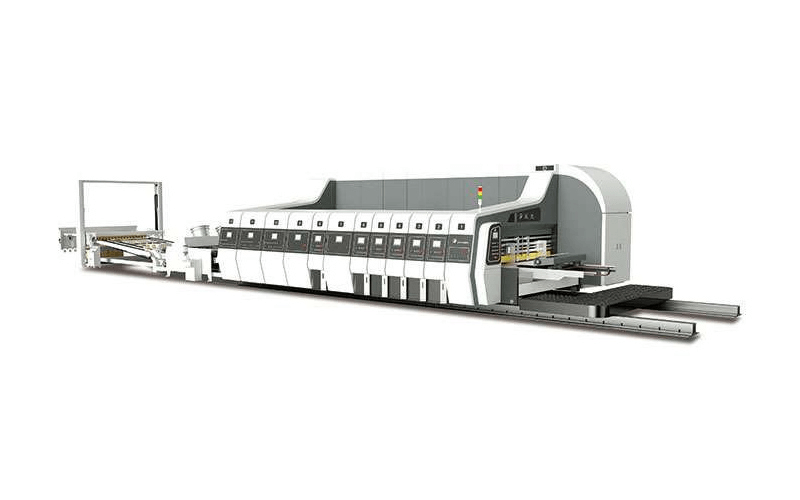
For factories targetting high-margin retail branding, complex halftones, or slight-warped boards, our premier Lead Edge Printer series utilizes computerized vacuum-suction sheet feeding to achieve zero-slip material progression, keeping multi-color registration absolutely flawless.
• Robust High-ROI Alternatives: Heavy-Duty Chain-Fed Printer Slotter Modules
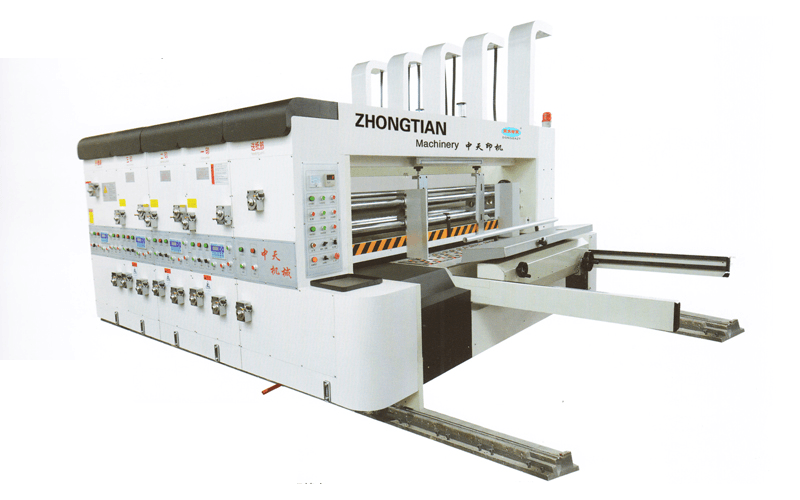
For regional startups or facilities dedicated to heavy-duty industrial double-wall boxes where simple mechanical feeding, extreme durability, and cost-effective capital deployment take precedence over high speeds, our signature Chain-Fed Printer Slotter serves as a bulletproof option.
• Complete Processing Integration: Automated Stitching & Gluing Machine Lines
Compress your complete post-print flow into a single touchless line by feeding printed blanks directly into our inline Stitching & Gluing Machine, backed by our high-velocity Corrugated Peripheral Machinery (including auto-prefeeders and heavy bundling stackers) to eliminate human material-handling overhead.
🚀 Eliminate Crushed Flutes and Skyrocket Daily Box Yields
Are rigid metal plates, uneven ink distribution, or ink drying slowdowns bottlenecking your factory's growth? Upgrade your plant floor to world-class flexographic engineering.
As an international leading manufacturer of commercial-grade Corrugated Packaging Machinery, we construct heavy-duty Flexo Printer Slotter lines equipped with precision laser-engraved anilox rollers, digital touch-screen order memory, and synchronized inline finishers engineered to optimize your operational ROI.