Next-Gen Pre-Print Workflows: Downstream Finishing Integration for High-Definition Box Production
How upgrading post-print Corrugated Carton Machinery prevents liner scuffing and bottle-necks on pre-decorated boards.
The Anatomy of the New Pre-Printed Corrugated Process Flow
The continuous demand for vibrant retail graphics and structural brand presentation has accelerated the adoption of advanced manufacturing workflows. The most significant among these is the modern pre-printing process flow, structured as follows:
Step 1: Web-Fed Liner Printing
➔
Step 2: Corrugator Line Combination
➔
Step 3: Precision Slotting & Die-Cutting
➔
Step 4: Inline Stitching & Gluing
Compared to traditional post-printing—where raw, unprinted corrugated sheets are processed through massive inline printer units—this new pre-print method is mechanically simpler at the point of sheet conversion. More importantly, it delivers vastly superior print quality, completely eliminating the structural washboard marking often caused by direct-to-board press pressure.
The Finishing Challenge: Protecting Premium Graphics During Converting
While printing onto a flat paper roll prior to corrugation guarantees offset-like quality, it shifts the operational burden downstream. Once the high-gloss pre-printed liner is bonded to the flutes on the corrugator, these premium combined sheets must be converted into boxes.
For factories utilizing legacy mechanical handling, running pre-printed stock often leads to high scrap rates. Outdated feed rollers can easily scuff the freshly dried varnish, and manual transport systems can compromise color registration. Therefore, to unlock the true profitability of pre-print workflows, integrating highly specialized, automated Corrugated Packaging Machinery is crucial.
Engineering Integration: Choosing the Right Finishing Architecture
Whether your plant is running roll-fed pre-printed boards or looking for an agile direct post-print alternative, your choice of finishing machinery dictates your daily net yield:
• Zero-Scuff Feeding: Advanced Lead Edge Printer Systems
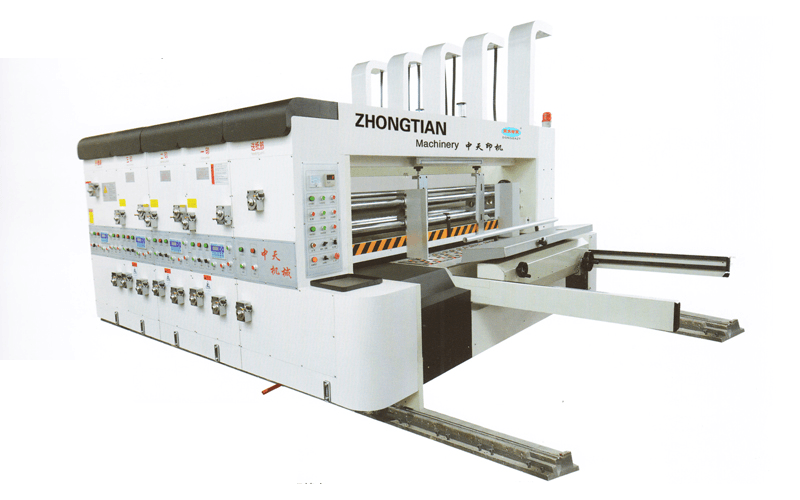
Traditional mechanical pushers, like an entry-level Chain-Fed Printer Slotter, are excellent for basic, high-volume shipping boxes. However, for premium pre-printed faces, they run the risk of scratching ink surfaces.
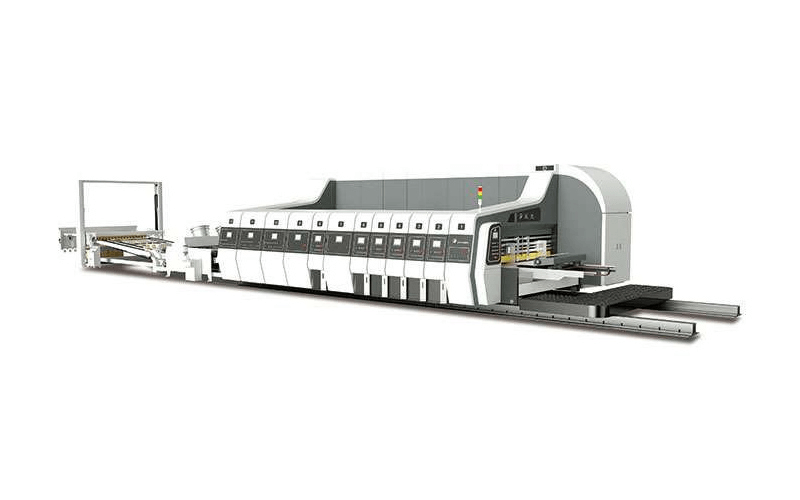
Upgrading to an automated Lead Edge Printer table utilizes precision vacuum suction to advance sheets smoothly without physical scuffing, ensuring perfect alignment into downstream slotting modules.
• High-Volume Flexo Alternatives: The Flexo Printer Slotter Matrix
For plants looking to match pre-print graphic quality without the complex multi-step logistics of paper roll inventories, our modern High-Speed Flexo Printer lines serve as an ideal alternative. Outfitted with high-line ceramic anilox rolls and automated registration controls, these systems allow high-density direct post-printing to run seamlessly inline with slotting, die-cutting, and creasing modules.
• End-of-Line Finishing Automation: Stitching & Gluing Machine Arrays
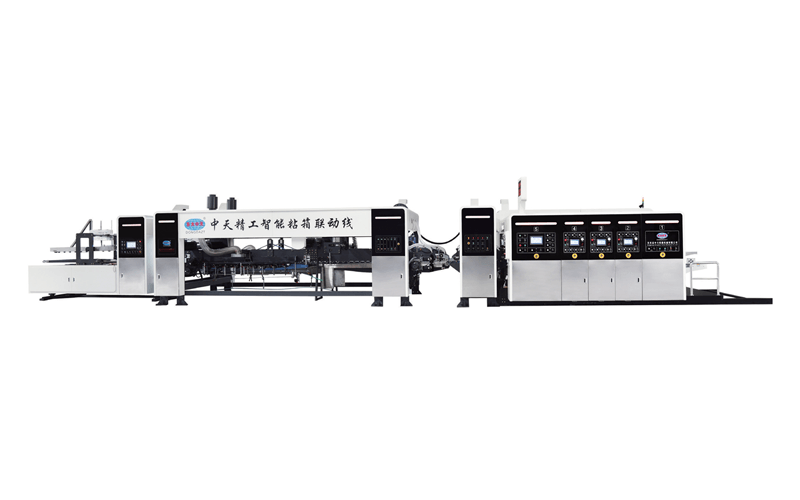
The final phase of the new process requires fast, high-strength sealing. Feeding printed and slotted blanks straight into a synchronized, automated Stitching & Gluing Machine eliminates intermediate stacking bottlenecks. Bolstering the dry end with computerized Corrugated Peripheral Machinery ensures that completed boxes are bundled, strapped, and palletized instantly at full machine velocity.
⚙️ Optimize Your Plant Layout for High-Definition Box Converting
Are ink scratching losses, poor slotting alignment, or manual finishing bottlenecks limiting your plant's high-margin packaging output? Protect your production investments today.
As an elite international developer of industrial-grade Corrugated Box Making Machine networks, we build heavy-duty finishing systems, advanced folder-gluers, and automated peripheral arrays engineered to process premium graphics with exceptional accuracy. Scale your output and maximize your production ROI.