Understanding Planographic Printing: Working Principles, Mechanics, and Technical Characteristics
Dive deep into the science of offset lithography, exploring how the chemical repulsion between oil and water powers high-speed commercial printing.
What is Planographic Printing? The Core Mechanism
Originating from traditional stonemark lithography, Planographic Printing is characterized by a unique design where the image areas and the non-image (blank) areas rest virtually on the exact same flat plane. Today, when industry professionals refer to planographic processes, they are almost always discussing modern Indirect Offset Lithography (Offset Printing).
The entire operation relies heavily on a foundational chemical principle: the mutual repulsion between oil and water. The dynamic printing cycle follows a precise mechanical sequence:
Dampening Phase: The dampening rollers first apply a fountain solution (water-based) across the printing plate. The non-image blank areas absorb this moisture, forming an oil-repellent water film.
Inking Phase: Next, the inking rollers coat the plate with oil-based ink. Because oil and water don't mix, the ink cleanly adheres only to the oleophilic graphic zones, leaving the wet blank areas pristine.
Indirect Offset Transfer: Under calculated mechanical pressure, the inked graphic image is transferred onto an elastic rubber blanket cylinder rather than straight onto the material. Finally, this blanket cylinder offsets the ink smoothly onto the substrate surface.
Microscopic Traits: Identifying Offset Prints
The use of an intermediate rubber blanket serves a dual purpose: it cushions mechanical stress, vastly increasing plate durability (print run length) while allowing for micro-level ink transfers.
However, this chemistry leaves a specific structural signature. If you observe a planographic piece under an industrial magnifying glass, you will notice that the ink tone along the outer edges of lines and characters is slightly lighter than at their centers, and the stroke edges may appear somewhat soft. This visual phenomenon occurs because the flat plates have zero vertical depth relief, allowing the fountain solution to slightly interact with and diffuse the ink boundaries during high-speed rotation.
Machinery Configurations and Automation Focus
Aside from dedicated flatbed cylinder proofing presses, modern industrial planographic printing utilizes advanced rotary web or sheet-fed presses (Round-press-round architecture). This rotary design unlocks massive structural benefits:
Oversized Formats & High Velocity: Capable of managing substantial sheet profiles at blazing manufacturing speeds.
Intelligent Closed-Loop Subsystems: Premium offset presses are outfitted with automatic ink key adjustments and real-time electronic registration tracking.
Ultra-Fast Makeready: Integrated robotic plate-loading and automatic plate-unloading fixtures drastically minimize setup transitions, resulting in elite output quality and superb industrial uptime.
⚙️ Choosing the Right Printing Tech for Corrugated Packaging?
While planographic offset printing rules the world of magazines and high-end thin labels, Flexographic Relief Printing (Flexo) remains the ultimate heavy-duty champion for the corrugated box and shipping container industry.
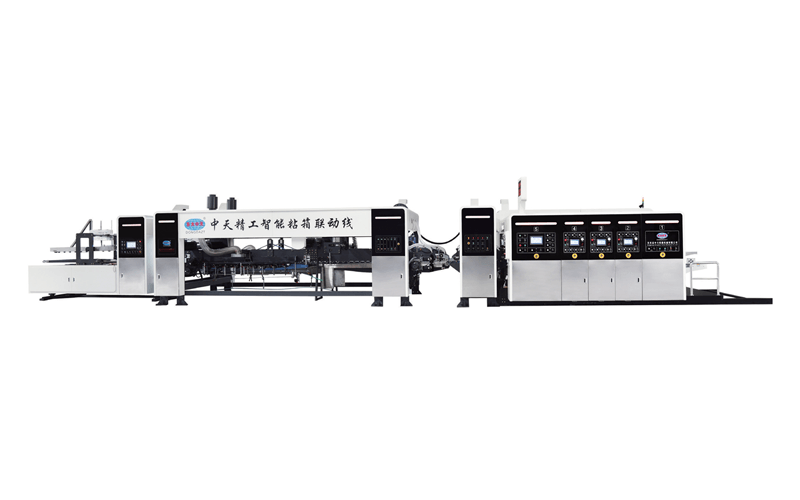
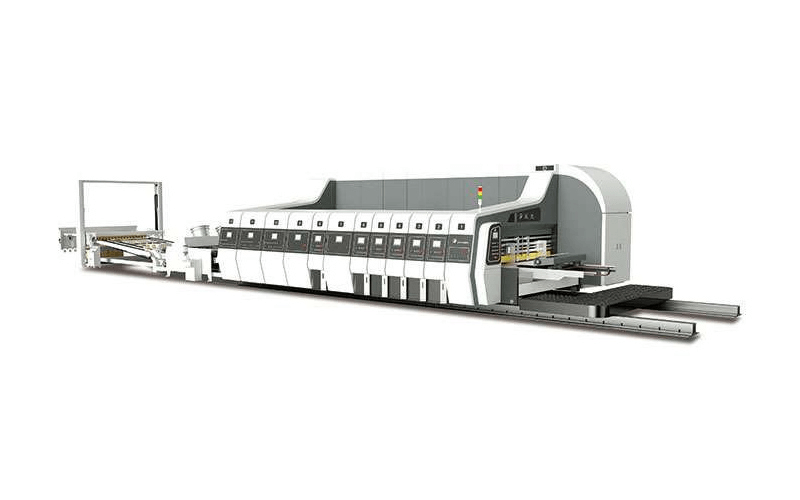
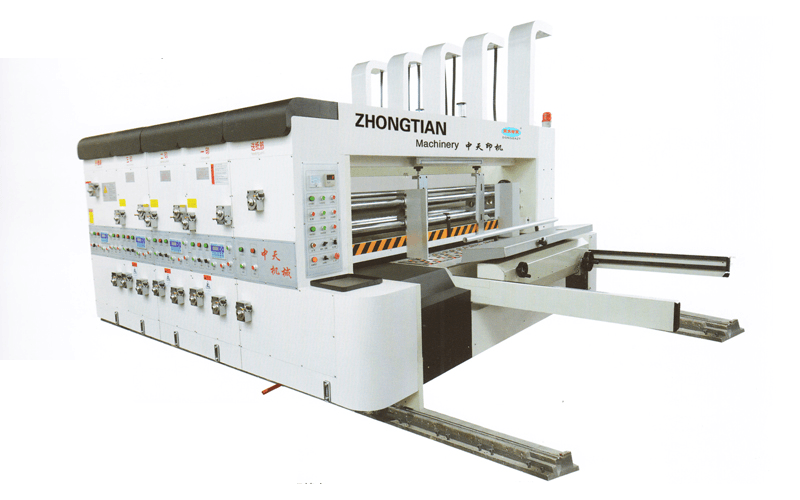
Our automated High-Speed Flexo Printer Slotter Die-Cutter machines are engineered specifically to print directly onto heavy flutes with thick water-based inks—eliminating the costly laminating steps required by offset printing and delivering massive cost-per-box savings.