The Mechanics of Screen Printing: Core Principles and Industrial Applications
Explore the science behind screen printing, from mesh ink permeation and squeegee physics to its unparalleled substrate flexibility.
The 5 Core Pillars and Working Principle
Industrial screen printing relies on a carefully synchronized 5-element system: the screen printing plate (mesh stencil), the squeegee blade, the ink, the printing bed, and the substrate.
The underlying physical principle is elegant yet highly precise: ink permeates through the open mesh pores of the graphic areas, while the non-image pores remain completely sealed and impermeable. The operational mechanical sequence follows these steps:
Ink Application: Printing ink is poured onto one end of the horizontal screen plate.
Squeegee Movement & Compression: The squeegee blade applies continuous vertical pressure to the ink while migrating steadily toward the opposite end of the screen. Under this concentrated force, ink is forced through the fine graphic mesh pores and deposited onto the awaiting substrate.
The Mechanics of Resiliency (Rebound Force): To prevent smudging and ensure crisp edges, a precise gap (off-contact distance) is maintained between the screen and the substrate. As the squeegee advances, the natural tension of the mesh creates a counter-reactive rebound force. This force ensures the screen only forms a moving, linear contact with the material, immediately snapping back behind the blade to cleanly sever the ink layer and guarantee sharp dimensional accuracy.
Key Advantages and Unique Capabilities
Screen printing has sustained its competitive edge across industrial sectors due to several distinct mechanical characteristics:
1. Unlimited Ink Compatibility: Unlike offset or gravure, screen systems readily process an extensive range of ink chemistries—including solvent-based, water-based, synthetic resin emulsions, and metallic or powder-based inks.
2. Soft, Compliant Plate Surface: The structural mesh is highly flexible and elastic. This compliance enables smooth printing on delicate, soft substrates like textiles and paper, as well as rigid, unforgiving surfaces like industrial glass and ceramics.
3. Low Mechanical Impression Force: The minimal printing pressure required makes it perfectly suited for fragile, brittle, or easily fractured products.
4. Unrivaled Ink Thickness & Opacity: Screen printing yields exceptionally thick, heavily saturated ink layers with massive covering power, delivering high-vibrancy graphics that stand out on dark materials.
5. Absolute Structural and Shape Freedom: The process is completely unrestricted by the surface contour or dimensions of the substrate. It seamlessly adapts to flat, curved, or spherical geometries, making it highly versatile for small components as well as oversized billboard sheets.
📦 Scaling Up to Mass Packaging Production?
While screen printing excels at specialty curves, thick inks, and custom low-volume shapes, it struggles to deliver the speeds required for massive corrugated box and cardboard shipping line operations.
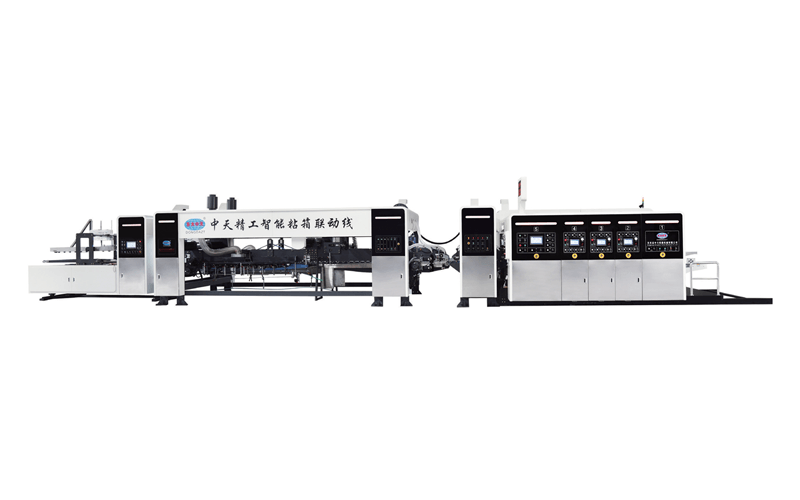
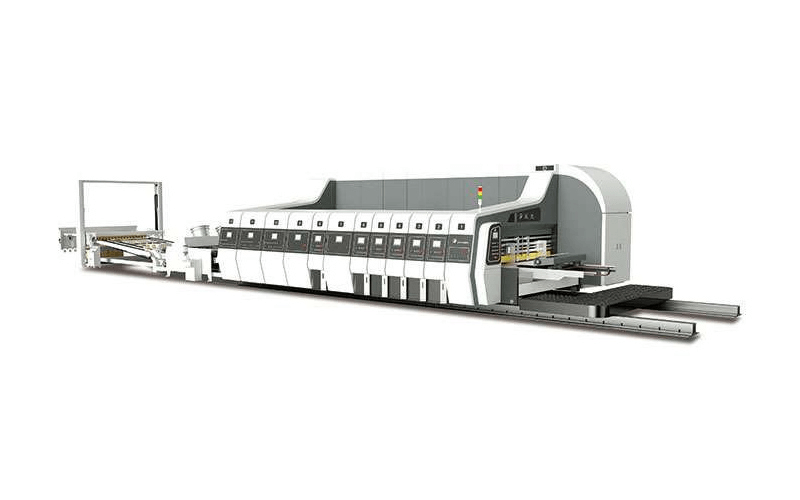
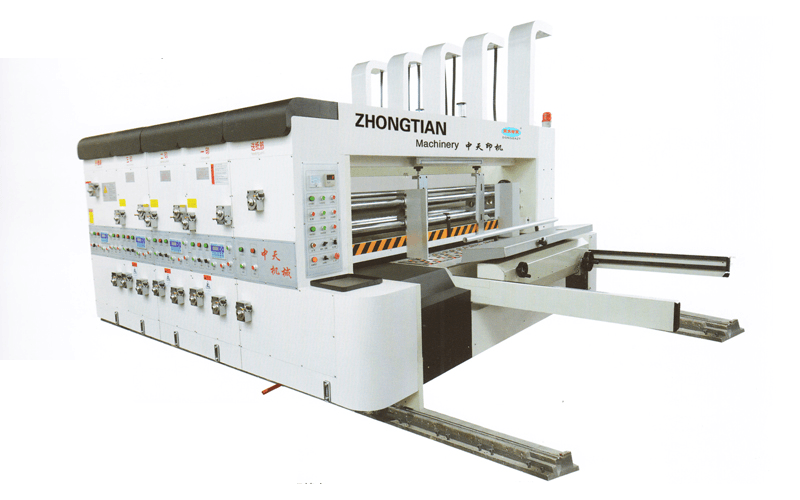
For global packaging plants focused on volume and high-margin turnaround times, Flexographic Printing (Flexo) is the standard industry choice. Our advanced High-Speed Flexo Printer Slotter Die-Cutter series handles heavy multi-wall corrugated boards at thousands of sheets per hour, integrating slotting, creasing, and die-cutting into a single highly automated pass.