When is Screen Printing Used for Corrugated Boxes? Shortfalls vs. Modern Automated Carton Machinery
An industrial evaluation of silkscreen techniques on corrugated board and why scaling up demands high-speed automated Corrugated Box Making Machines.
The Working Principle of Screen Printing on Corrugated Board
The core mechanism of screen printing relies on a woven mesh stencil. The graphics from the original artwork are processed onto the mesh to create tiny, open micro-apertures. During the print cycle, a squeegee forces low-speed ink through these open stencils, depositing the formulation directly onto the corrugated substrate beneath.
When is Screen Printing Adopted? Understanding Its Constraints
In the modern landscape of Corrugated Carton Machinery, screen printing is highly restricted and utilized almost exclusively under two scenarios: ultra-small batch prototyping or isolated single-machine manual operations.
While it requires minimal initial plate setup costs, screen printing introduces heavy operational bottlenecks that sabotage commercial scaling:
Abysmal Throughput Speed: Production output is incredibly low, relying heavily on manual or semi-automated labor that cannot fulfill industrial demand.
Severe Multi-Color Registration Flaws: Achieving tight multi-color precision or full-process color alignment on a standard screen press is extremely difficult, often resulting in jagged graphic overlays.
Weak Tonal Performance: Screen printing cannot effectively process complex halftone dots or micro-gradients, limiting your factory to primitive, single-color logos.
The Scaling Roadmap: Moving from Stencils to High-Volume Corrugated Packaging Machinery
For ambitious plant managers operating in competitive markets, relying on manual screen setups means losing lucrative wholesale contracts. To unlock commercial growth and deliver flawless shipping cartons, transitioning to an advanced, automated Corrugated Box Making Machine framework is vital.
Depending on your capital budget and current run structures, the modern industry standard provides highly profitable alternative paths:
1. High-Speed Flexo Printer Slotter Systems
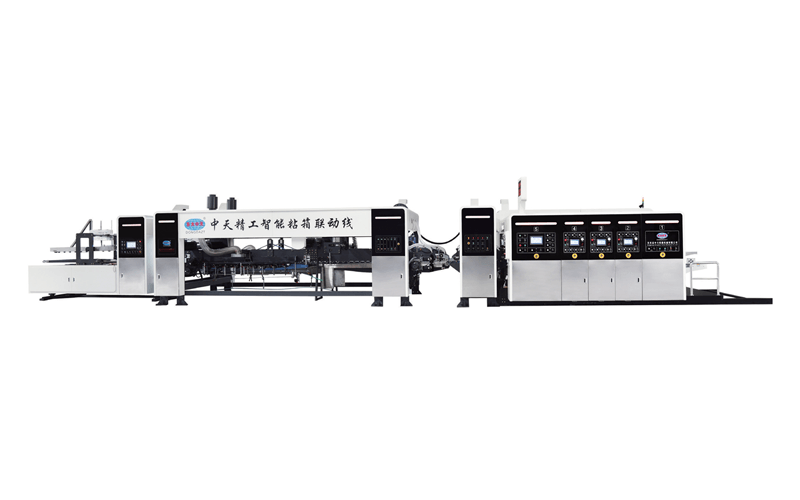
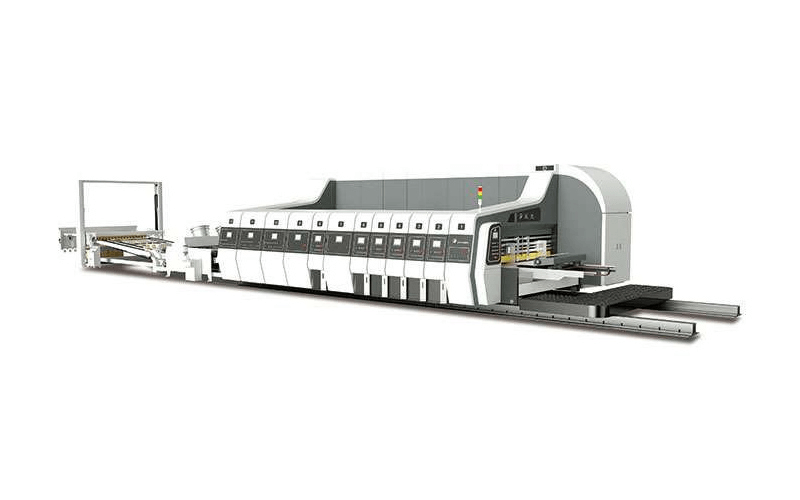
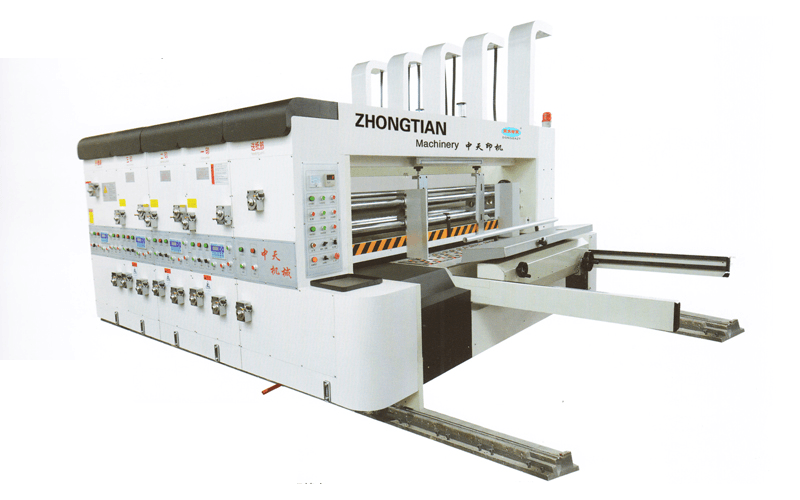
Instead of processing hundreds of boxes a day manually, an integrated Flexo Printer Slotter can process thousands of sheets per hour. These inline lines handle multi-color precision printing, creasing, and slotting in a single automated pass. For plants chasing major retail and manufacturing clients, upgrading to a High-Speed Flexo Printer ensures pristine graphic register and rapid turnaround cycles.
2. Feeding Versatility: Lead Edge Printer vs. Chain-Fed Printer Slotter
If your plant processes varying grades of warped or heavy-duty double-wall boards, choosing the correct feeding asset optimizes uptime:
A specialized Lead Edge Printer utilizes vacuum suction to deliver high-speed, frictionless sheet feeding for elite accuracy.
For startup plants or smaller budgets seeking consistent mechanical alignment on thick boards, a heavy-duty Chain-Fed Printer Slotter serves as an economical, durable entry point into automated converting.
3. End-of-Line Finishing Automation
True throughput scaling doesn’t stop at the printer. Integrating an automated Stitching & Gluing Machine creates a seamless inline workflow, folding and fastening joint flaps immediately after slotting to cut labor overhead by up to 70%.
⚙️ Transition Your Plant from Low-Volume Crafting to High-Margin Packaging Output
Are manual stencils and low-efficiency single machines bottlenecking your plant's potential? It's time to equip your floor with world-class engineering.
As a global leader in high-end Corrugated Packaging Machinery, we build rugged, high-precision High-Speed Flexo Printer lines, robust feeding configurations, and a comprehensive suite of Corrugated Peripheral Machinery (including auto-stackers, pre-feeders, and conveyor systems) designed to skyrocket your daily box yields.